In today's world, a church clock is a decoration on the church, but only if it's functional. Years ago, to keep a clock running, one had to hire someone responsible for monitoring, winding, and maintaining it. It was a job that couldn't be skipped for even a day, so inevitably, there came a time when the clock stopped for some reason. To avoid this, electronic clocks came to the rescue. The first electronic clocks had a mechanical clock somewhere accessible, which had a part to start the motor that moved the hands. The accuracy of the clock depended on the mechanical part, which was mostly a traditional clock with a pendulum. As time passed, technology evolved. The first electronic clocks appeared, which had a crystal inside. This replaced the pendulum. The crystal oscillates precisely at a certain frequency, thus controlling the electronics that further control the entire mechanism. We can already call those clocks modern, but they still lag behind today's clocks. The most modern and precise technology receives signals from atomic clocks via GPS satellites.
CHROWER clocks are exactly like that. Our clocks receive UTC time from satellites and, through signal processing with stepper motors, operate the mechanical part. Without human assistance, they adjust for daylight saving time automatically. They also control mechanisms for striking the quarter and full hours. In the event of a power outage, the clocks are powered by batteries. When the power returns, the batteries are automatically recharged. With a healthy battery, the clock's autonomy without power is around 24 hours.
The warranty for mechanical parts is 10 years, and for electronic components, it is 2 years. With a maintenance contract, the warranty is extended.
You can order a complete clock system from us, as well as individual components.

HANDS
Custom-made hands according to your preferences.

DIAL
Custom-made clock dials according to your preferences.

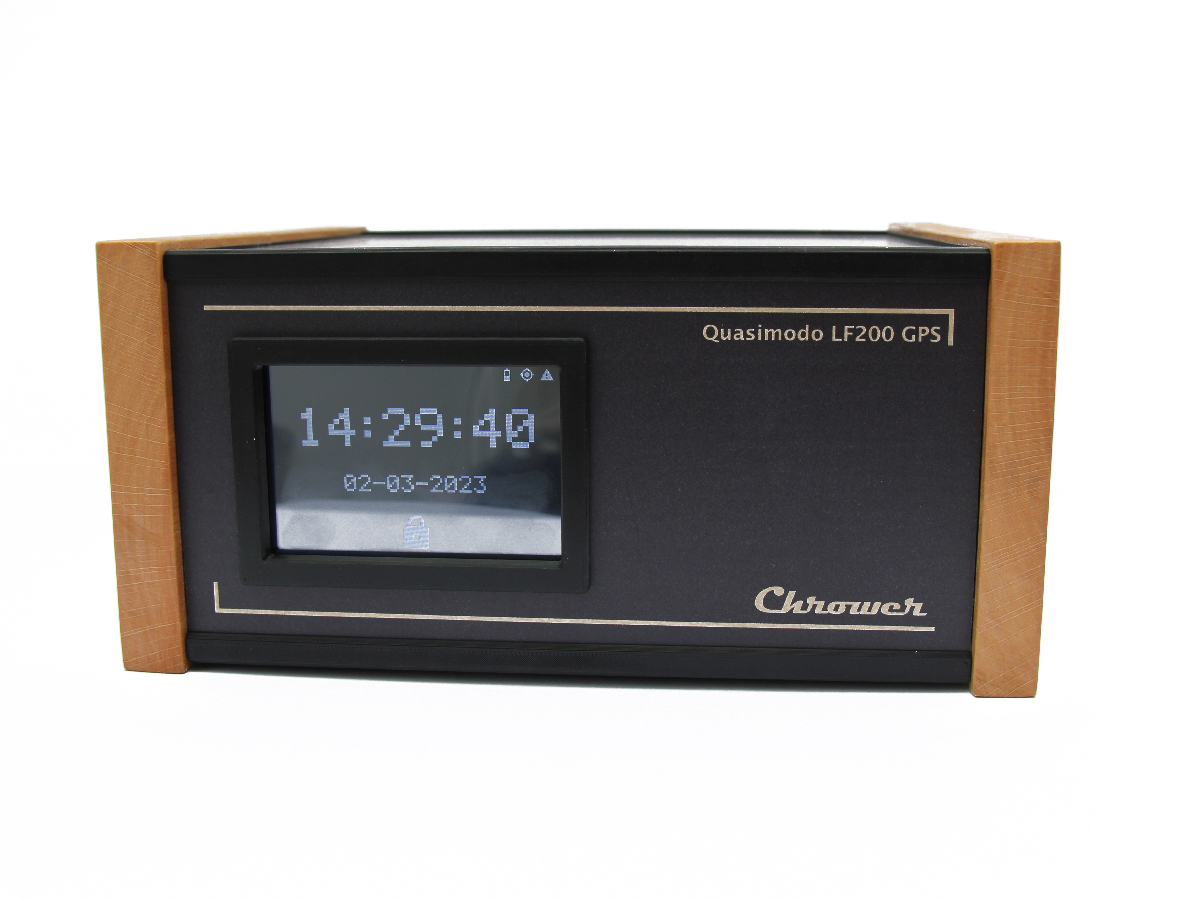
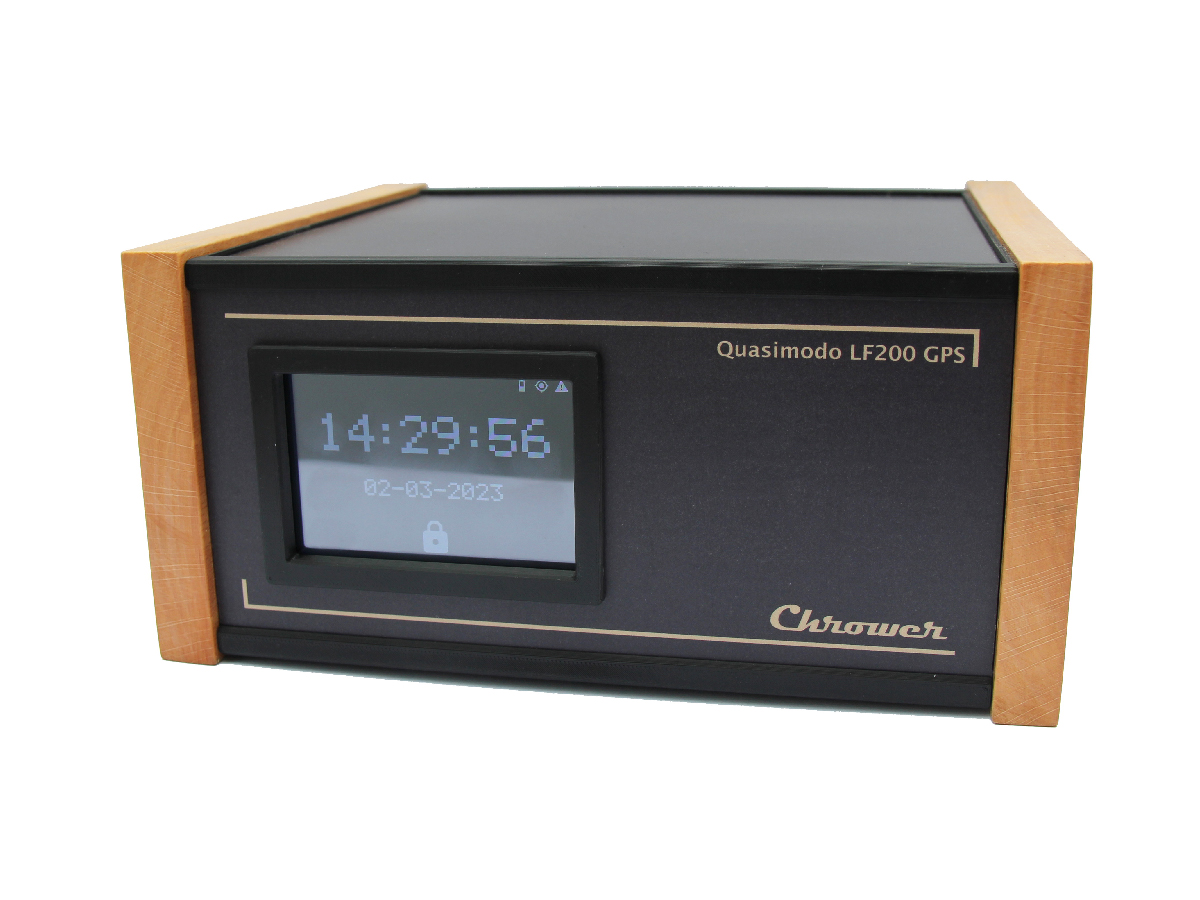
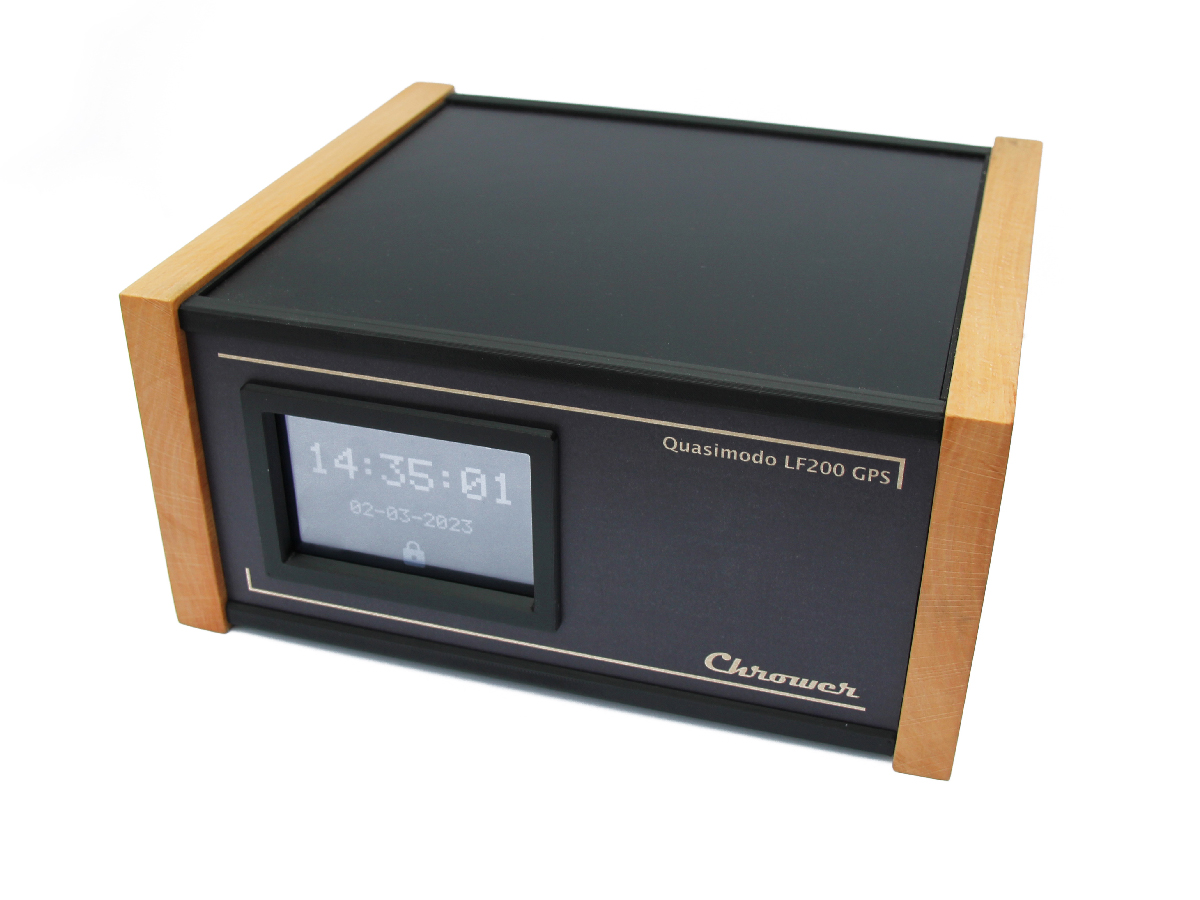
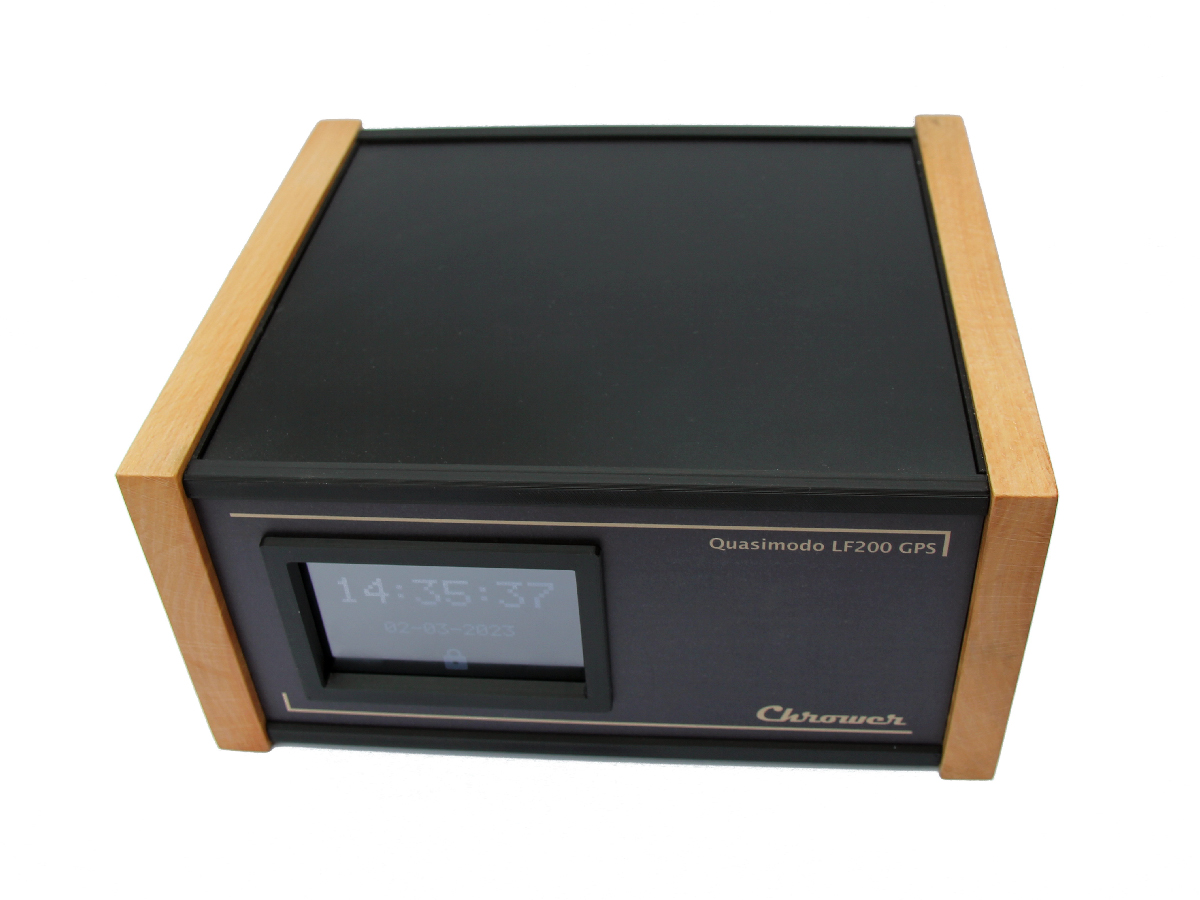
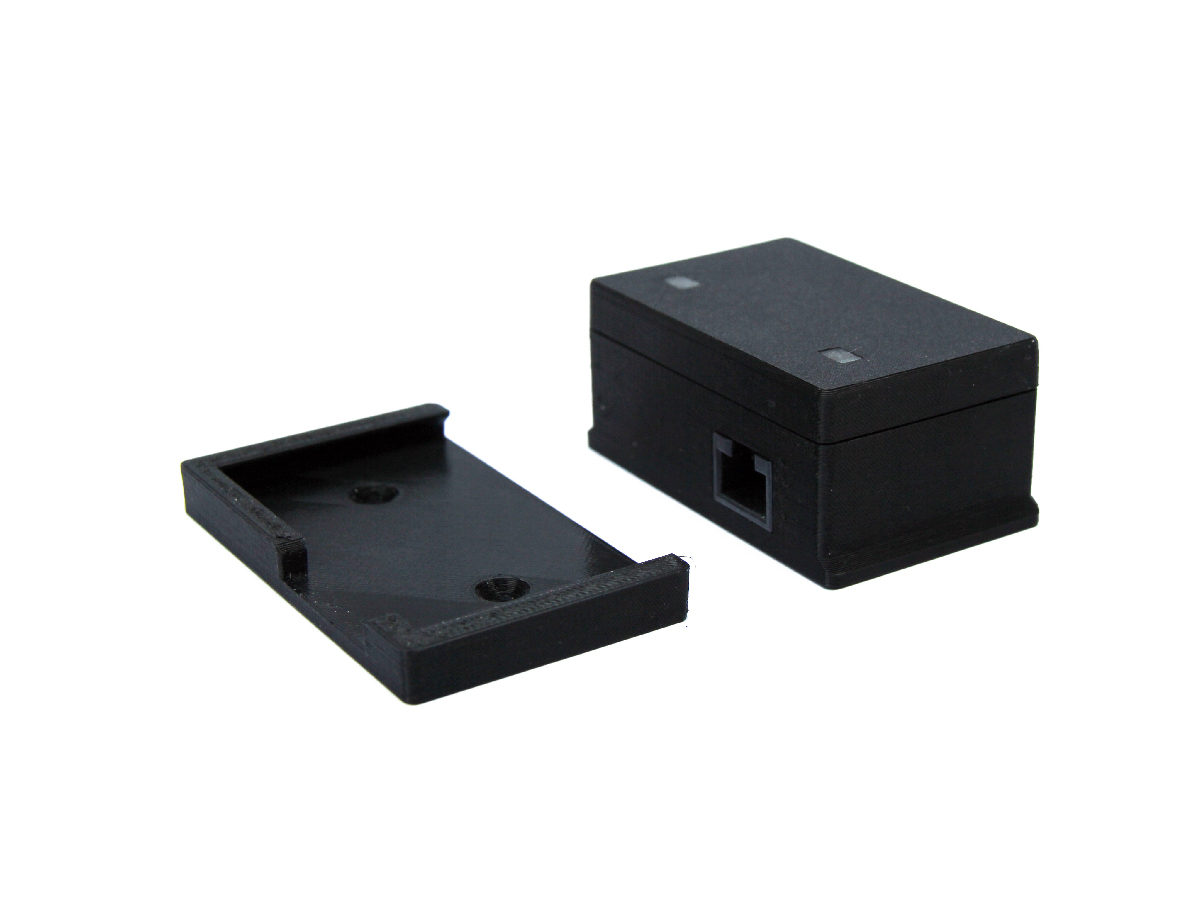
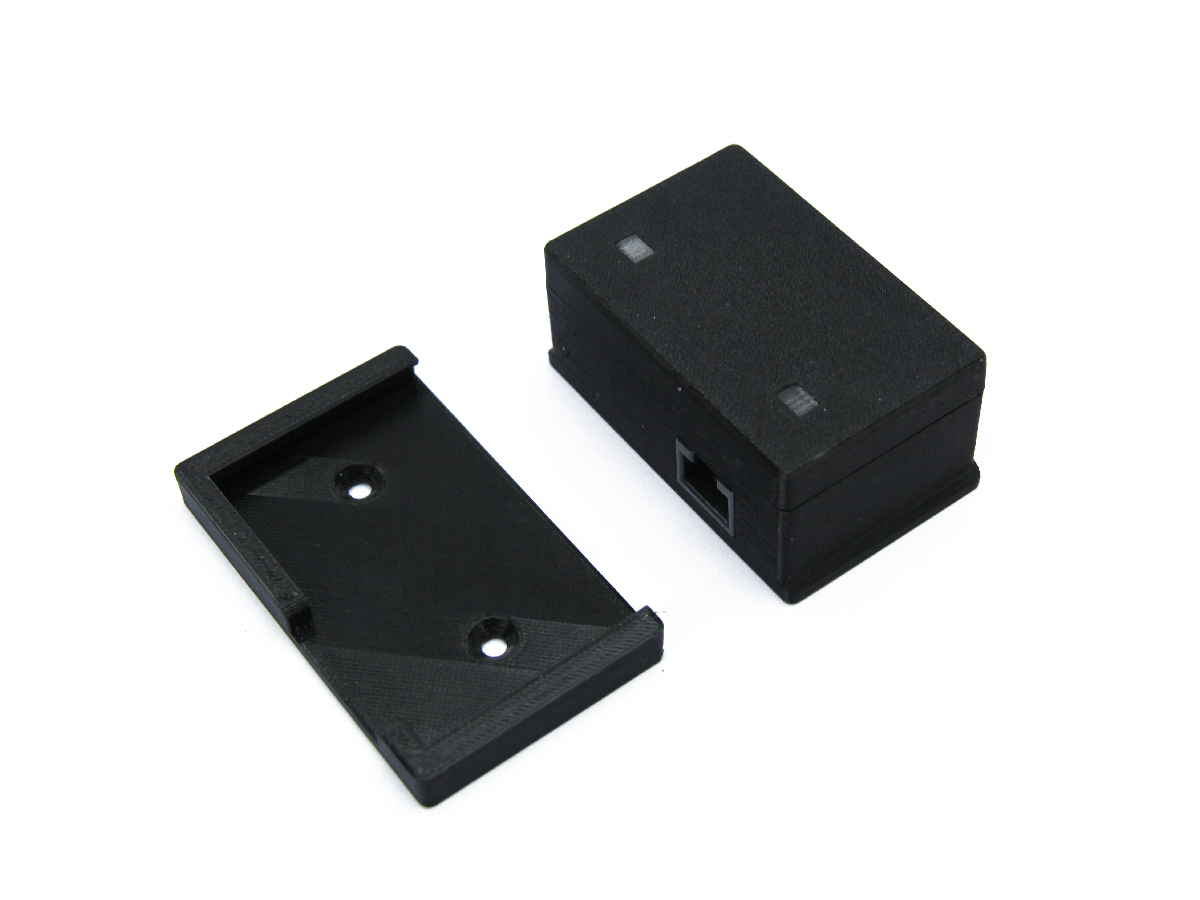
PROCESSING UNIT
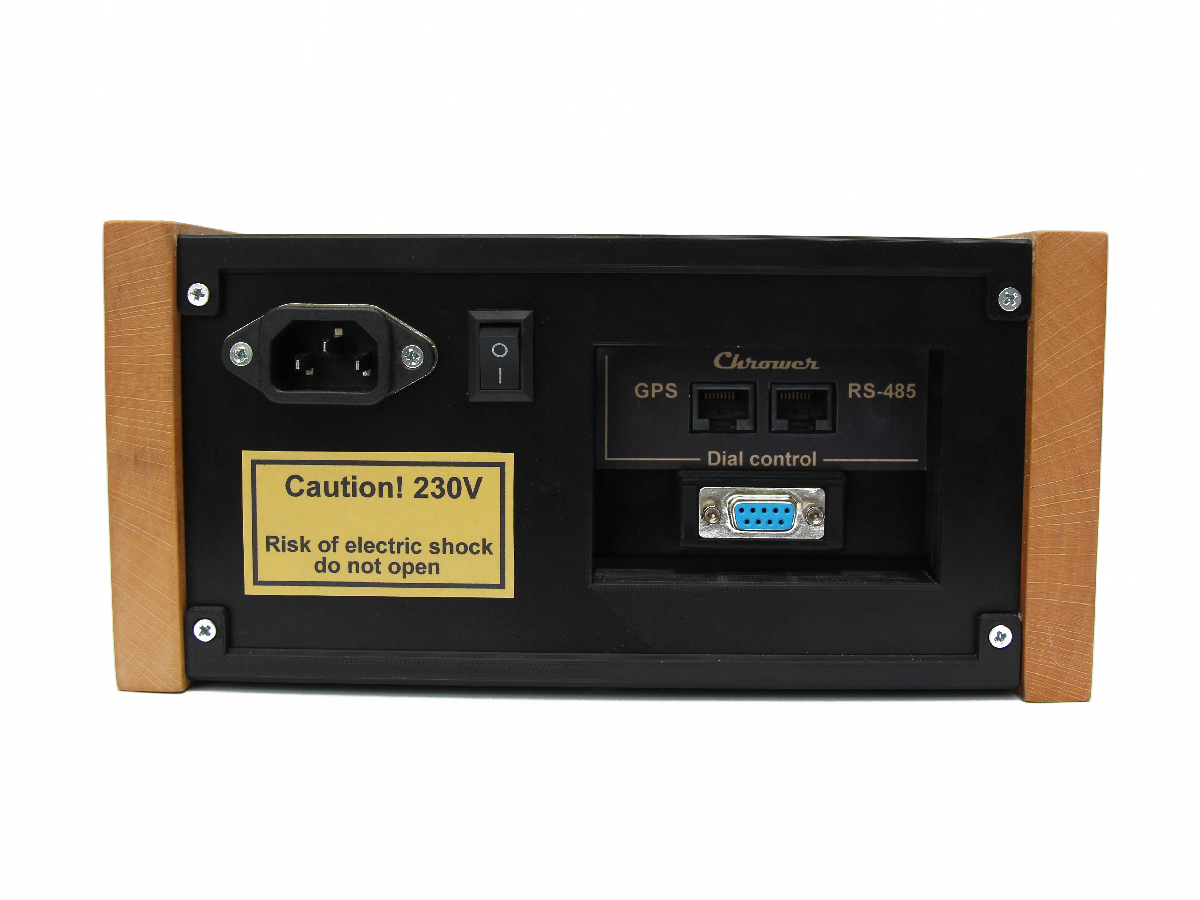
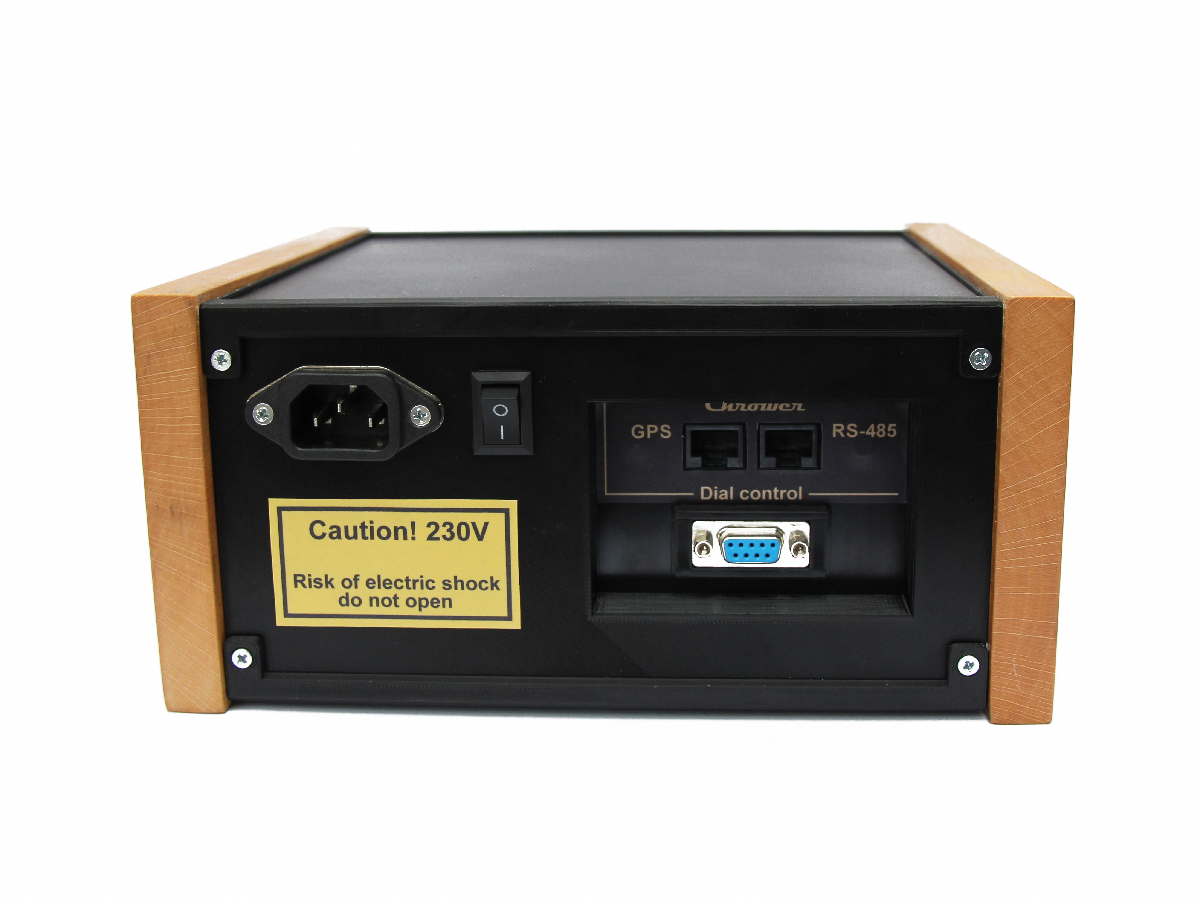
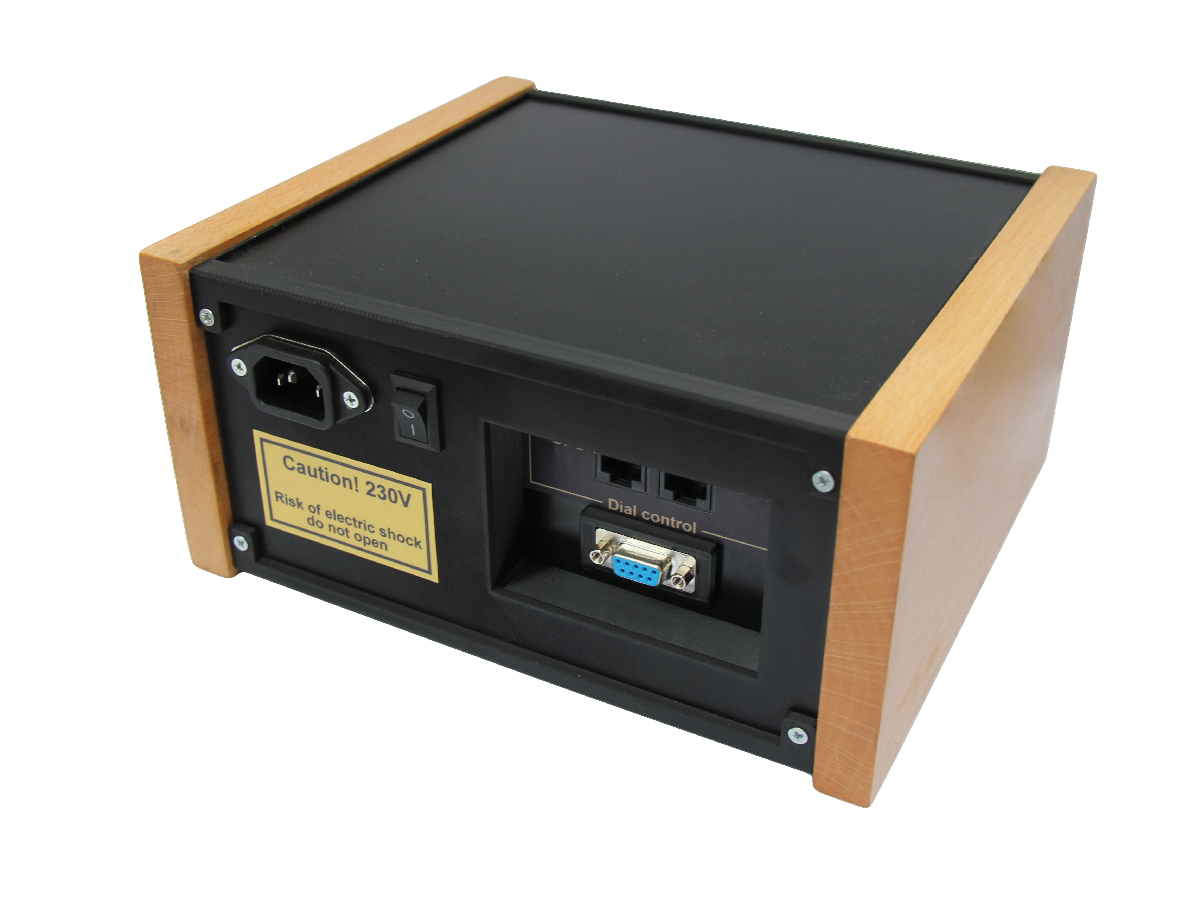
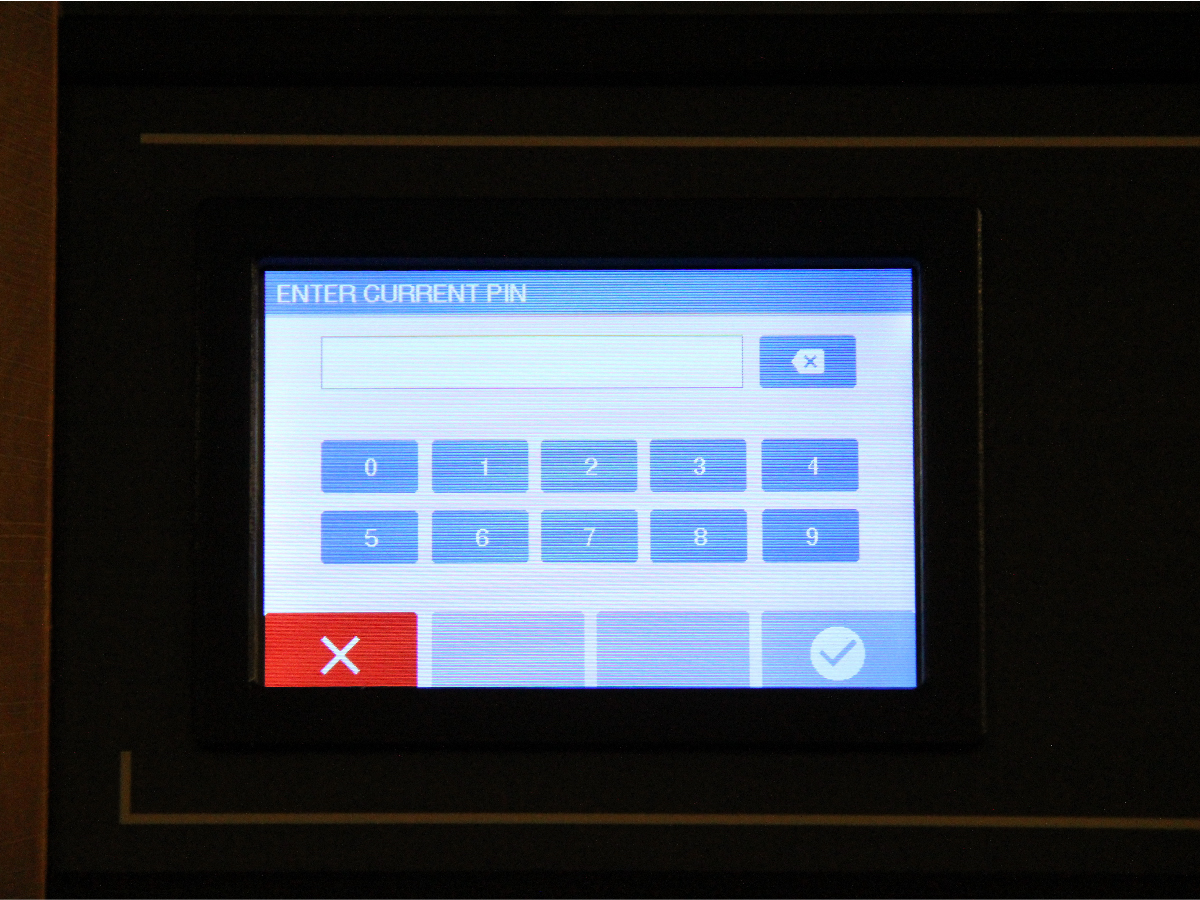
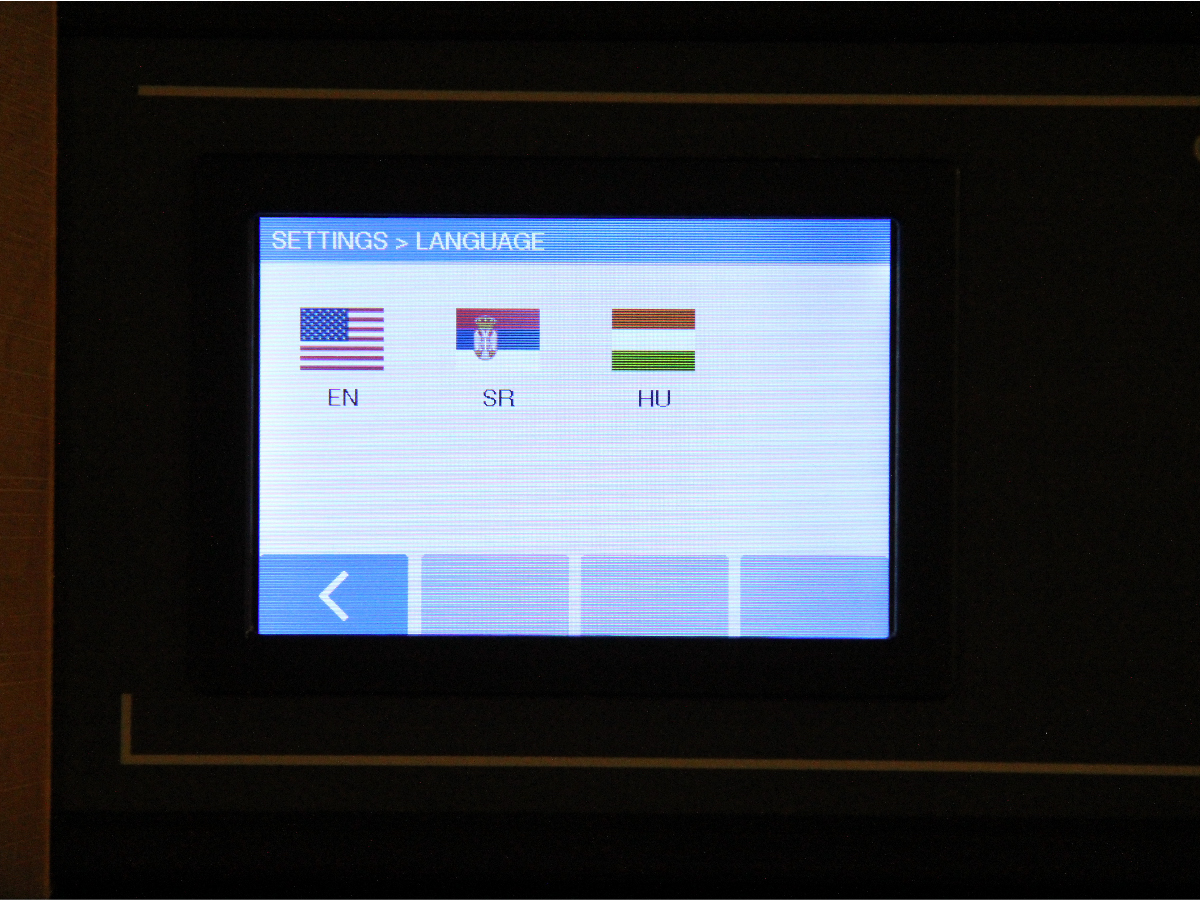
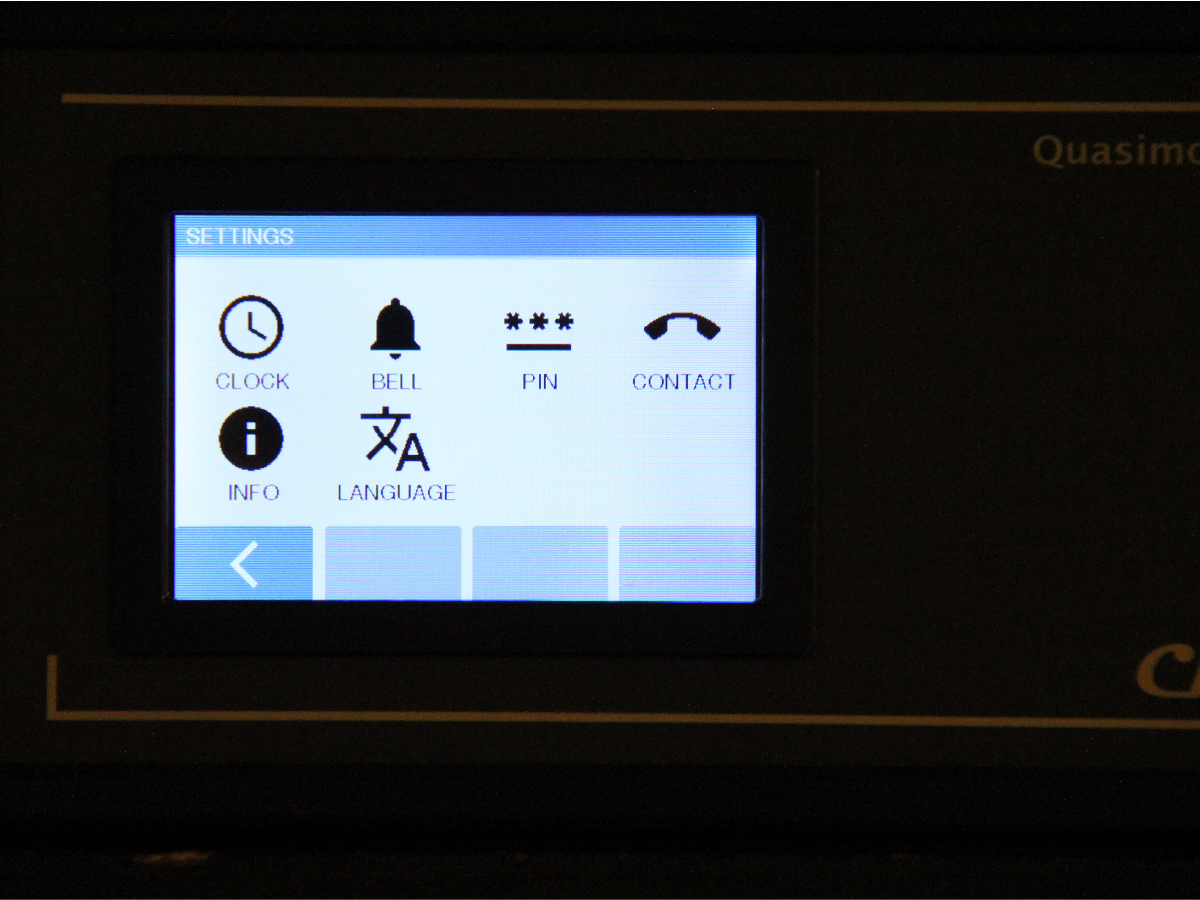
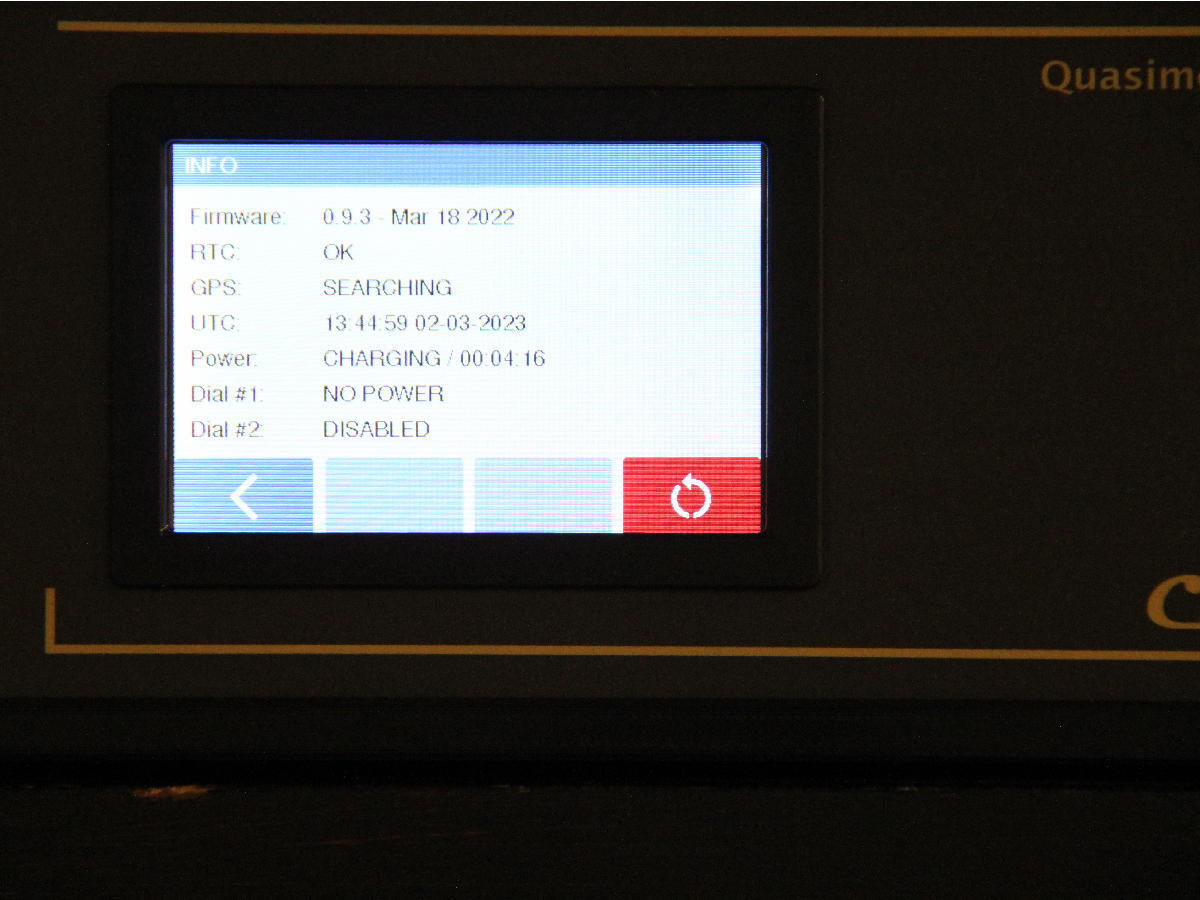
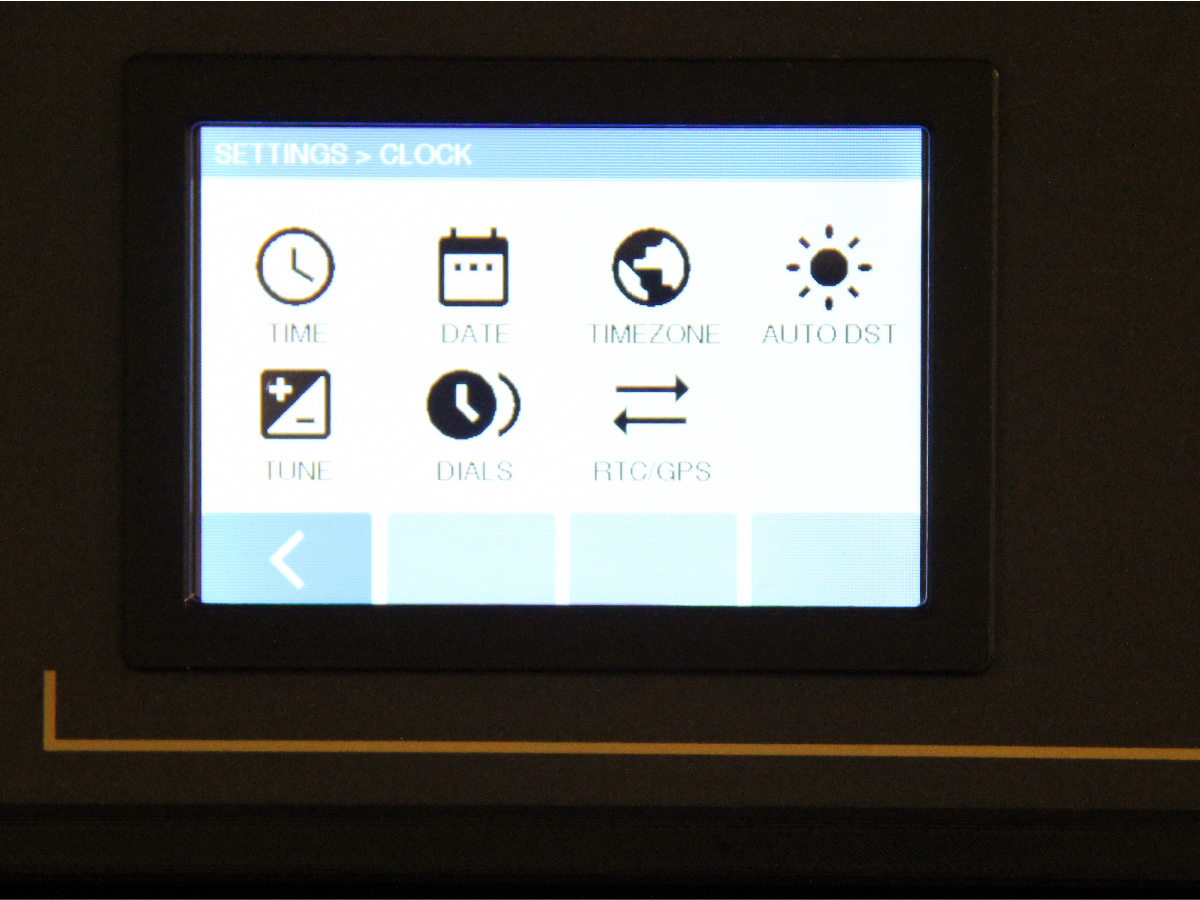
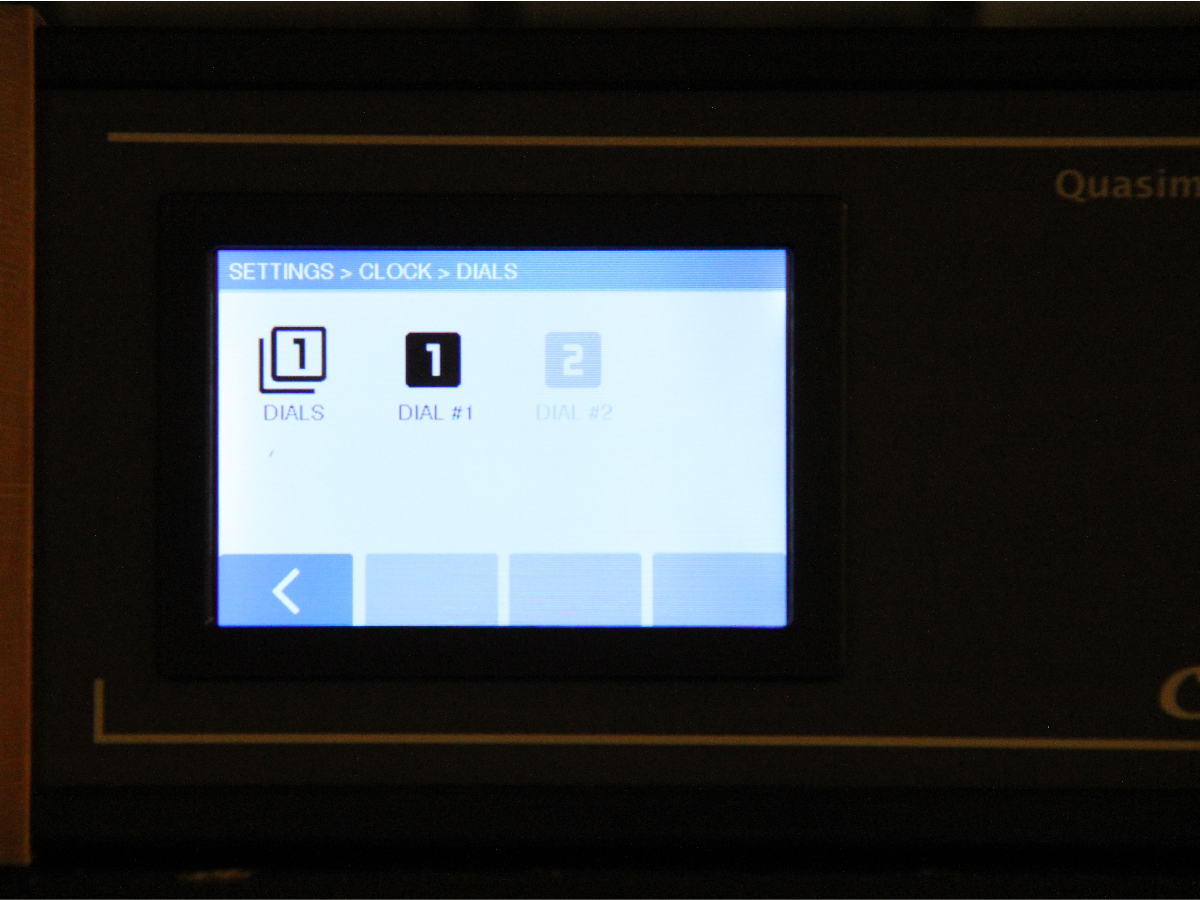
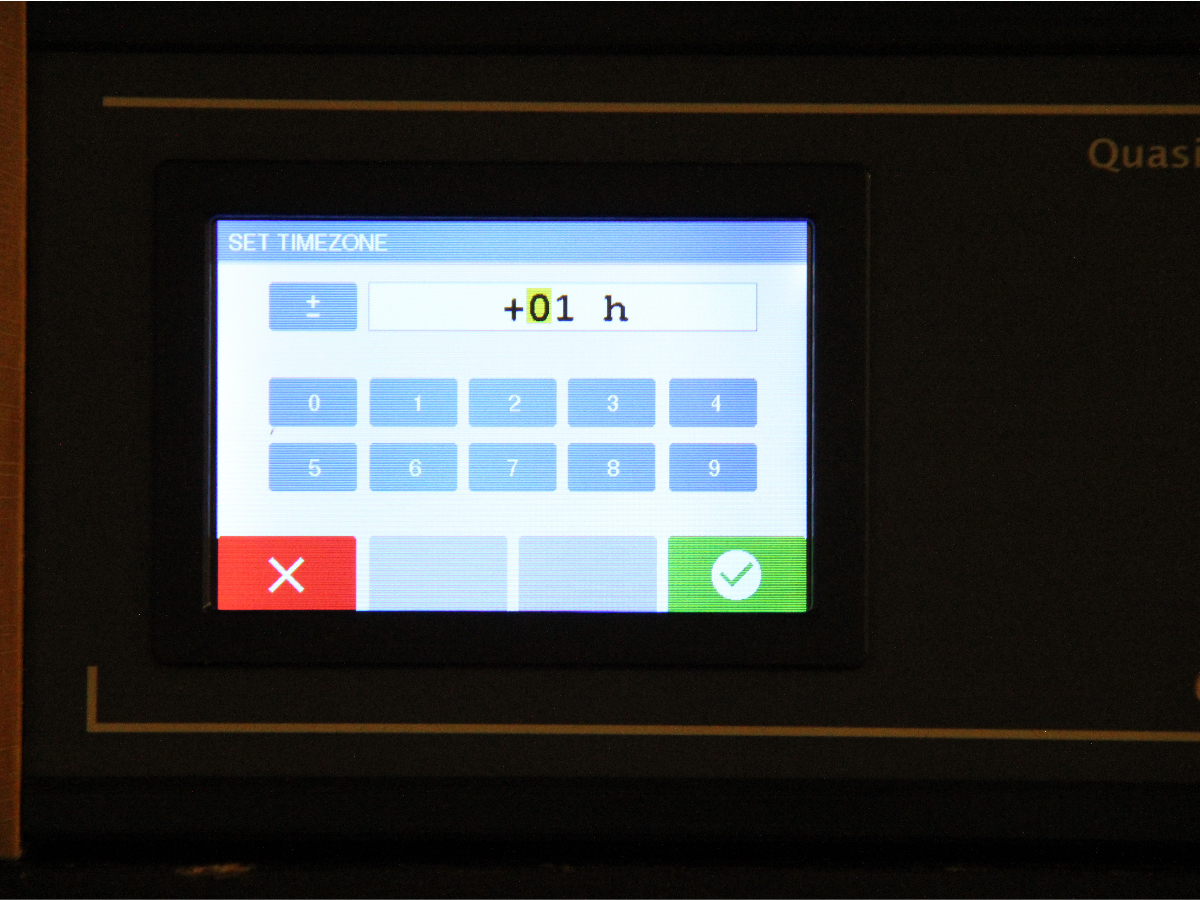
Production of the main clock unit, which controls the entire system and receives accurate time from satellites.
STRIKING MECHANISM
Manufacturing of the mechanism for striking full and quarter hours on the bell.

CENTRAL DISTRIBUTOR
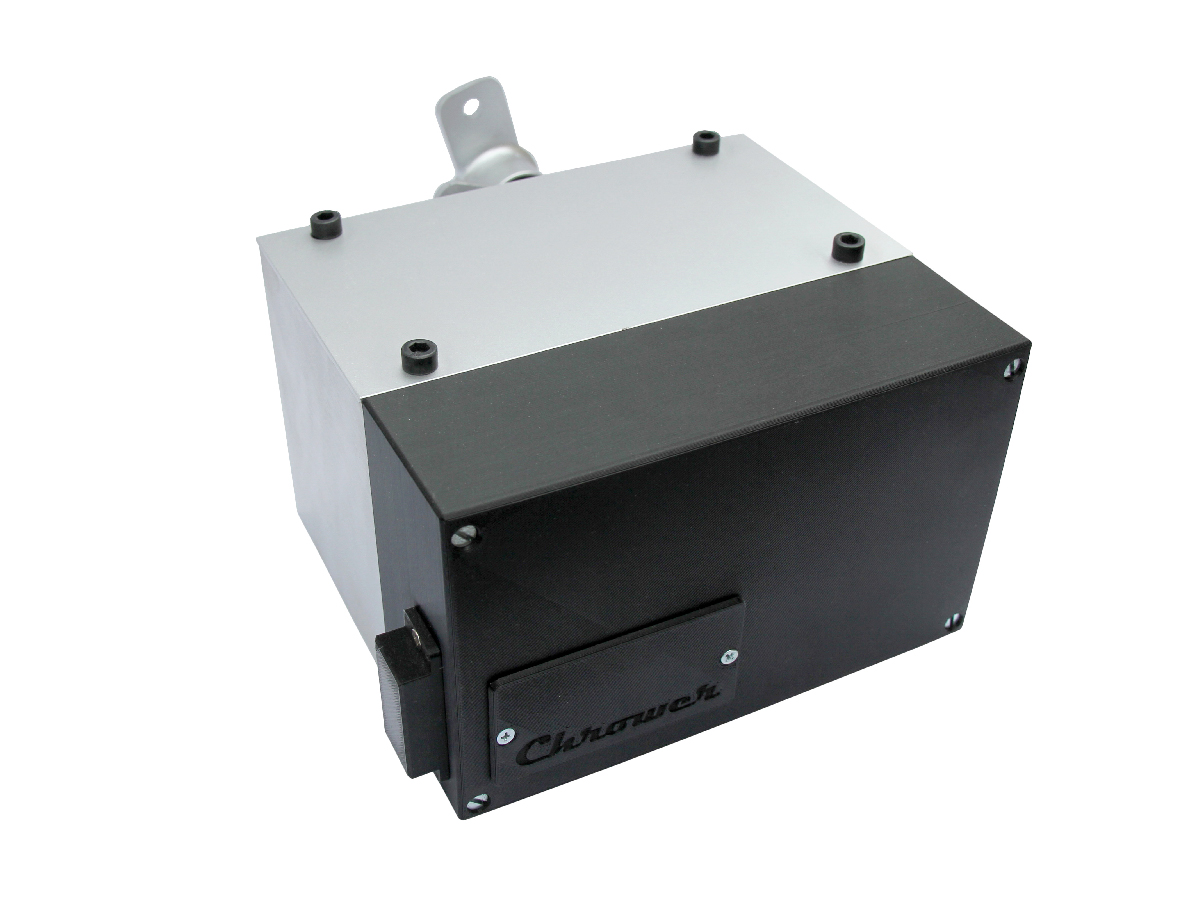
Manufacturing of the central distributor, which transfers power in four directions to subsidiary clock mechanisms.
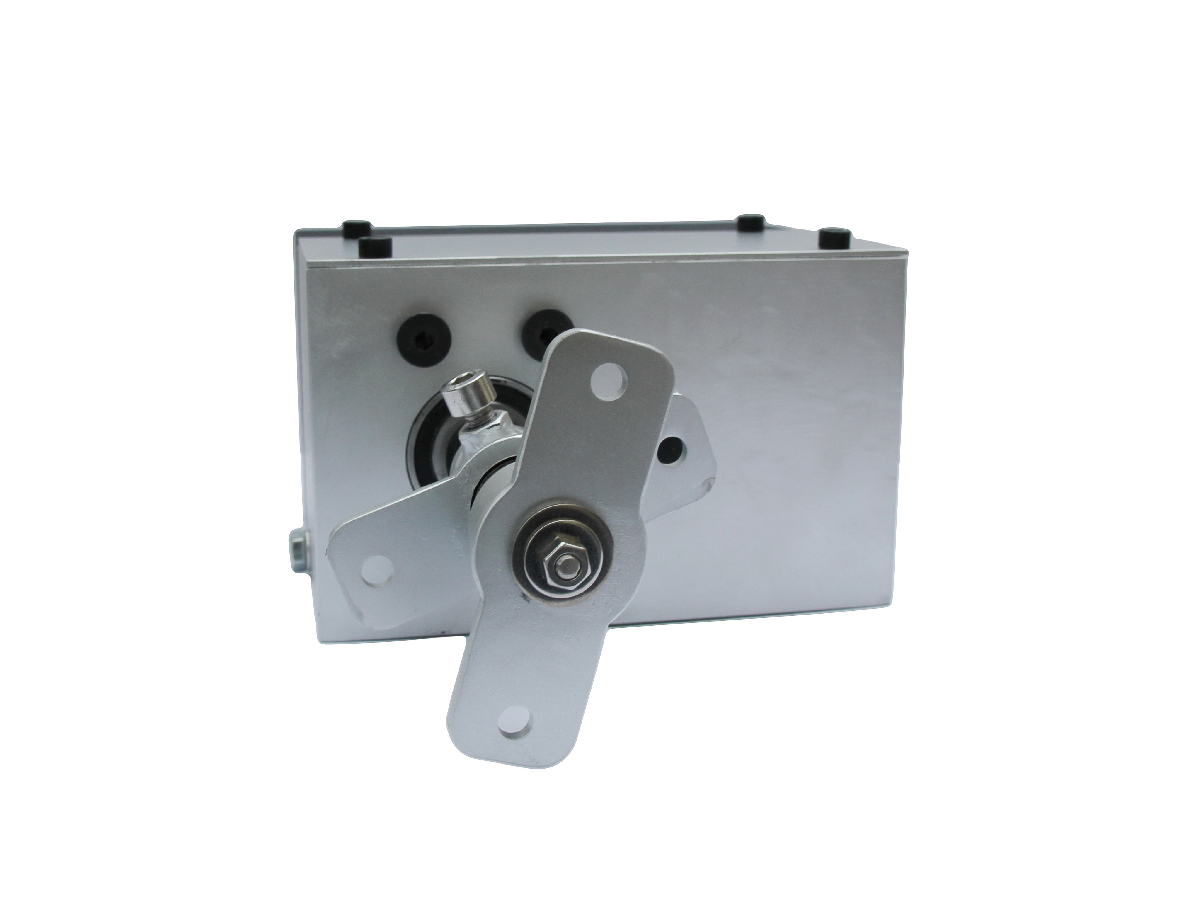
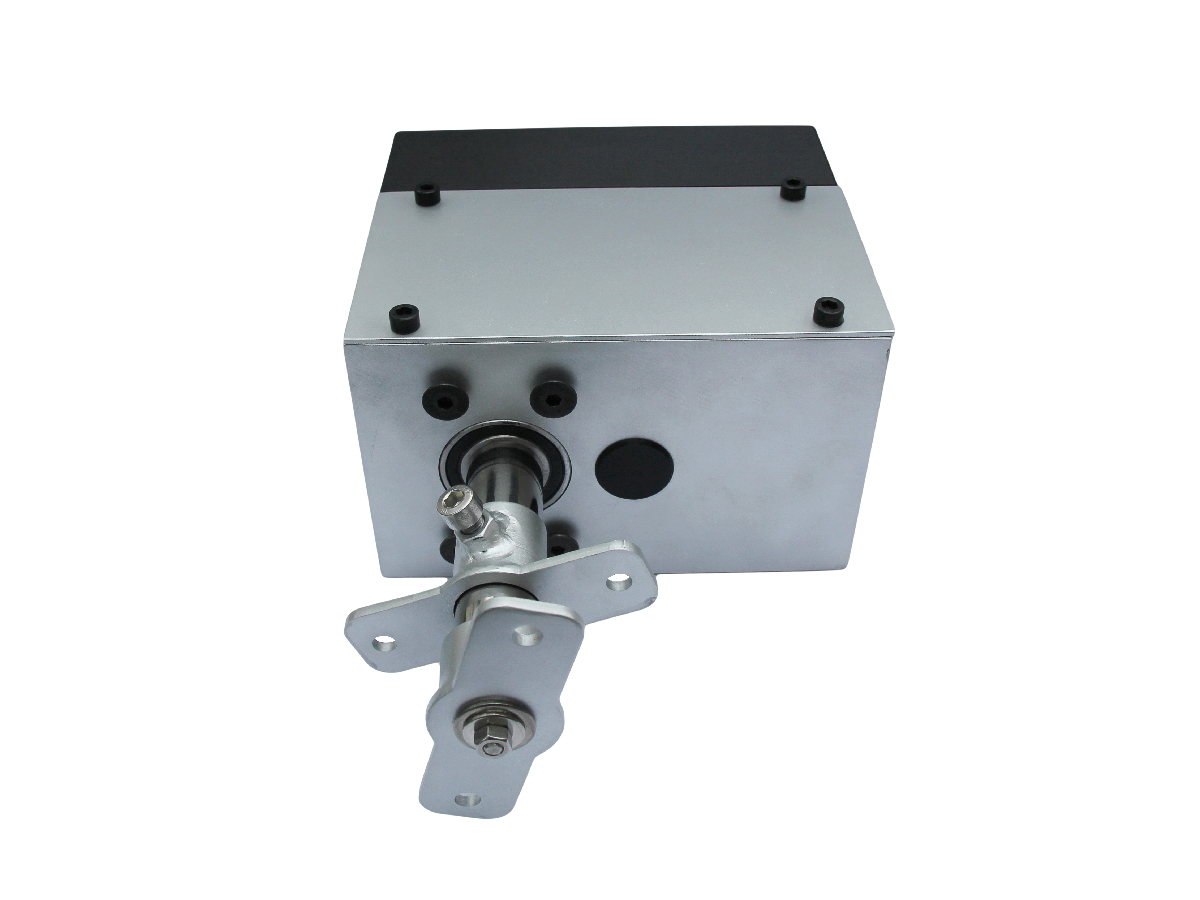
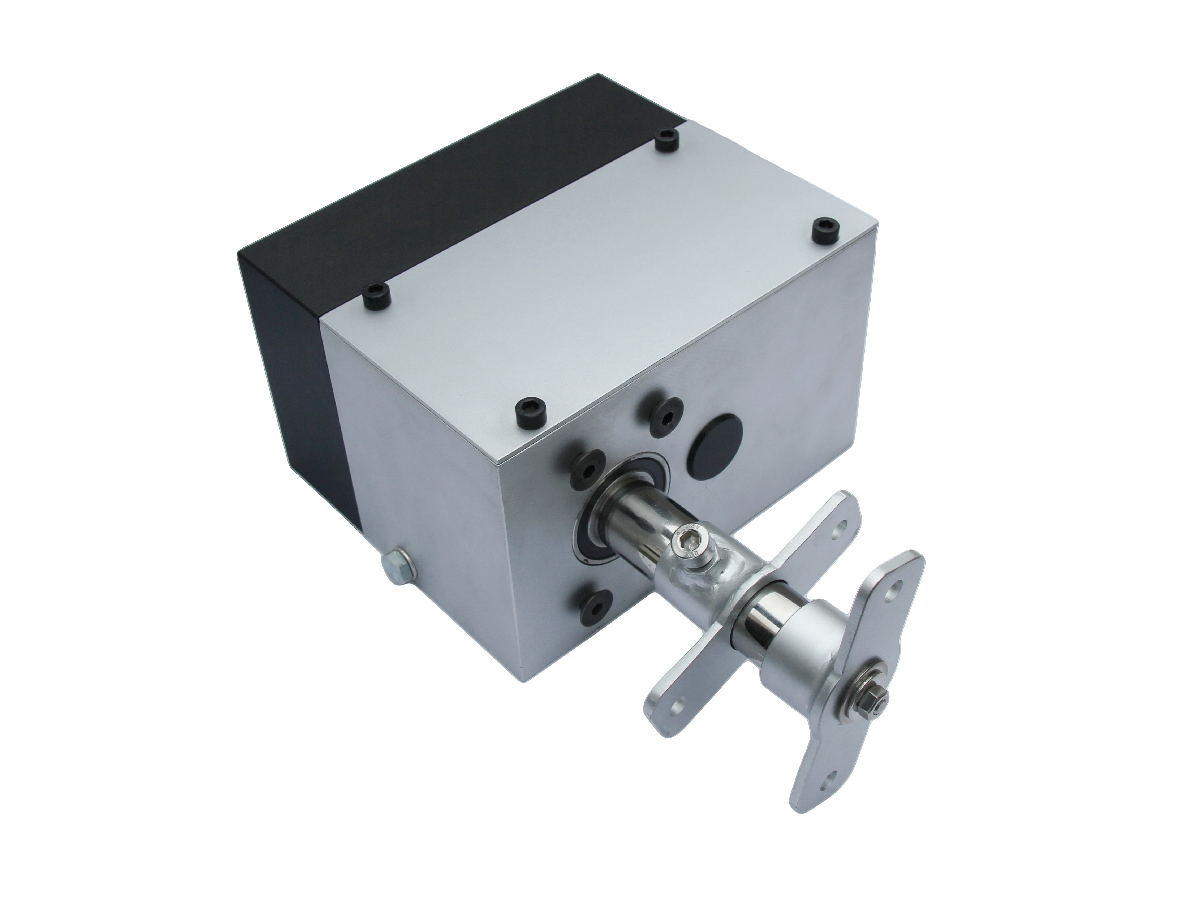
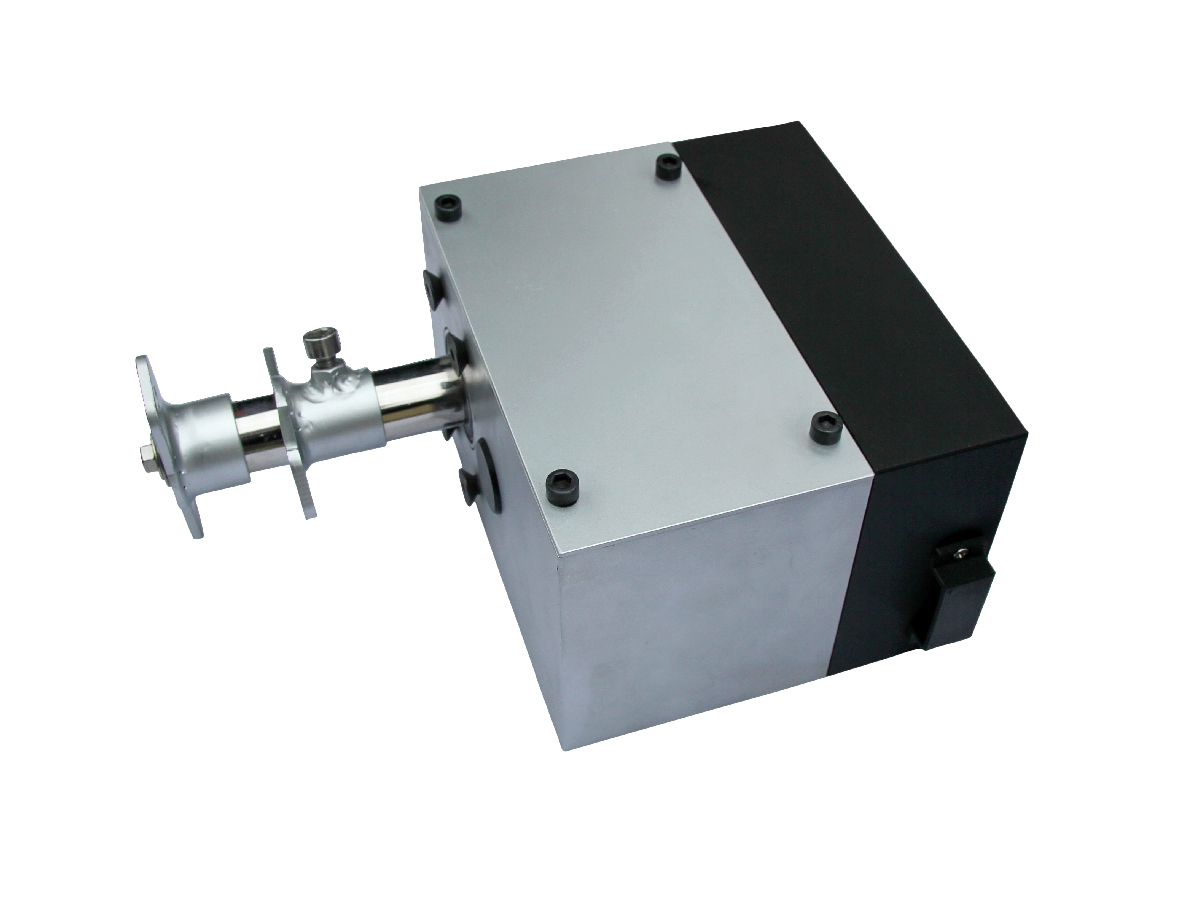
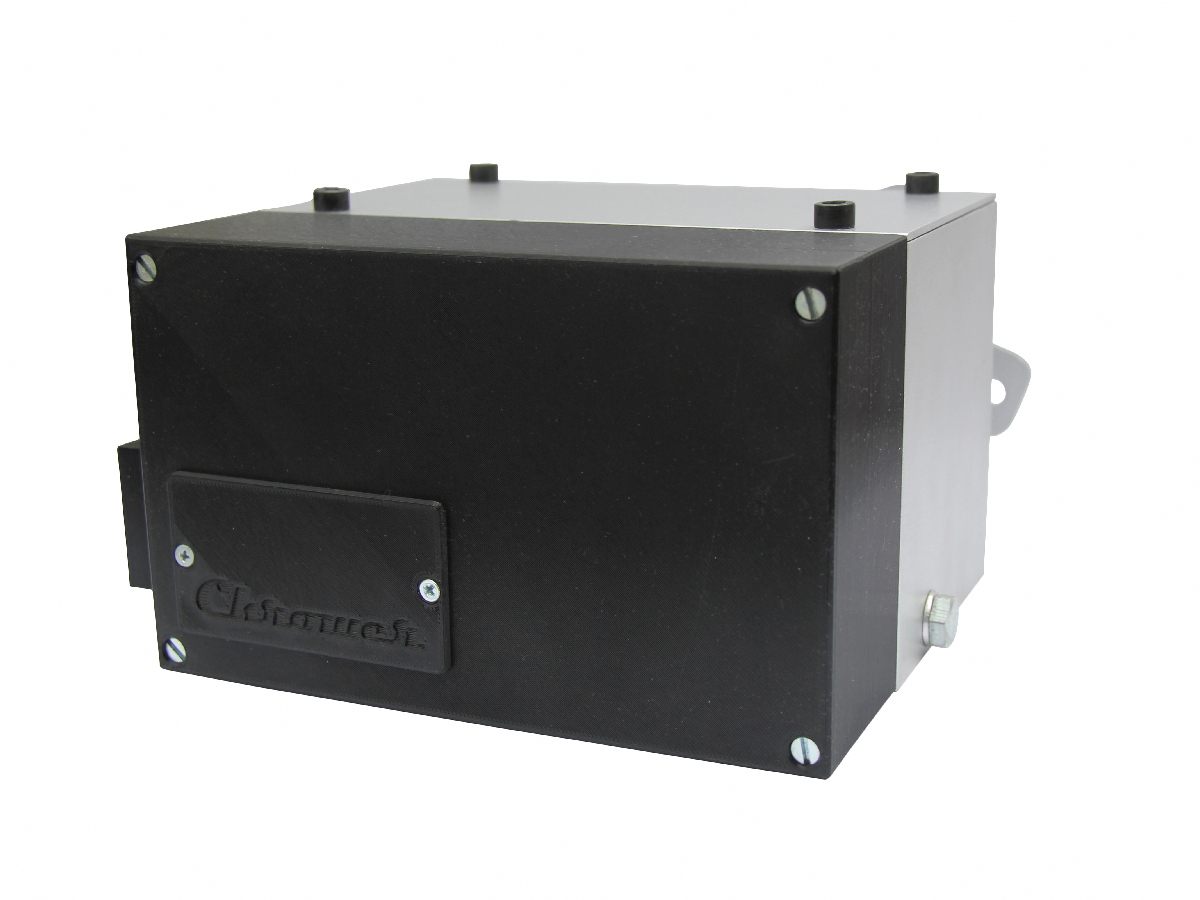
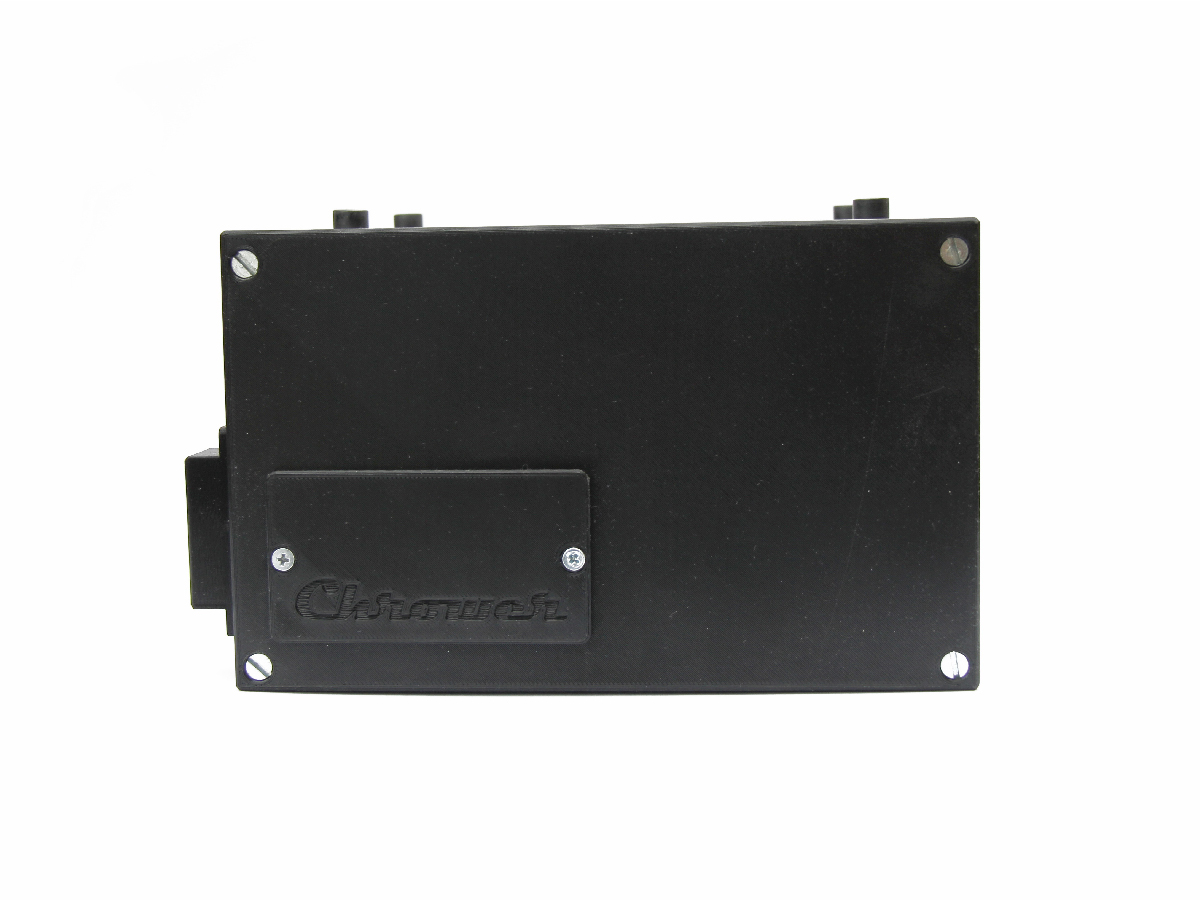
SUBSIDIARY CLOCK MECHANISM
Manufacturing of the subsidiary clock mechanism, which also serves as the hand carrier and divides hours into minutes.